How Dark Web Markets Operate
Dark web markets function as anonymous online bazaars hosted on Tor, accessible only through onion addresses. They use escrow systems where a platform holds payment until a transaction completes, theoretically protecting both buyer and seller. Vendors maintain reputation scores based on user reviews, similar to legitimate e-commerce sites but without any regulatory oversight or buyer protection.
Markets typically charge listing fees and take a percentage of each transaction. Administrators control access, set rules, and moderate disputes. Most require users to create accounts and deposit cryptocurrency, which is then converted to the market's internal currency. This structure creates a false sense of legitimacy that attracts users seeking illegal goods, but also exposes them to theft, scams, and law enforcement surveillance.
The anonymity provided by Tor does not protect users from poor operational security, malware, or phishing clones. Many users assume they are anonymous when they are not, leading to deanonymization through transaction analysis, metadata leaks, or simple mistakes like reusing usernames.
Why Markets Close and Get Seized
Dark web markets face constant pressure from law enforcement agencies worldwide. The FBI, DEA, Europol, and other organizations conduct investigations that can take years, building cases through blockchain analysis, undercover operations, and server seizures. When a market is targeted, authorities may seize servers, arrest administrators, or execute search warrants against suspected operators.
Exit scams are equally common. Administrators abruptly shut down a market and disappear with customer funds held in escrow, sometimes worth millions in cryptocurrency. Users have no recourse because there is no legal framework protecting transactions on illegal platforms. The most damaging exit scams occur when a market has built significant user trust over months or years.
Markets also fail due to technical incompetence, security breaches, or internal disputes. A single vulnerability can expose user data or allow attackers to drain the market's cryptocurrency reserves. The combination of legal risk, technical fragility, and financial incentive to steal creates an environment where market closure is the rule, not the exception.
Current Status of Major Markets
The status of any dark web market changes frequently and is difficult to verify with certainty. Markets that were operational last month may be offline today due to seizure, exit scam, or technical failure. Attempting to compile a definitive list of active markets is unreliable because the information becomes outdated rapidly and any list risks directing users to phishing clones or honeypots.
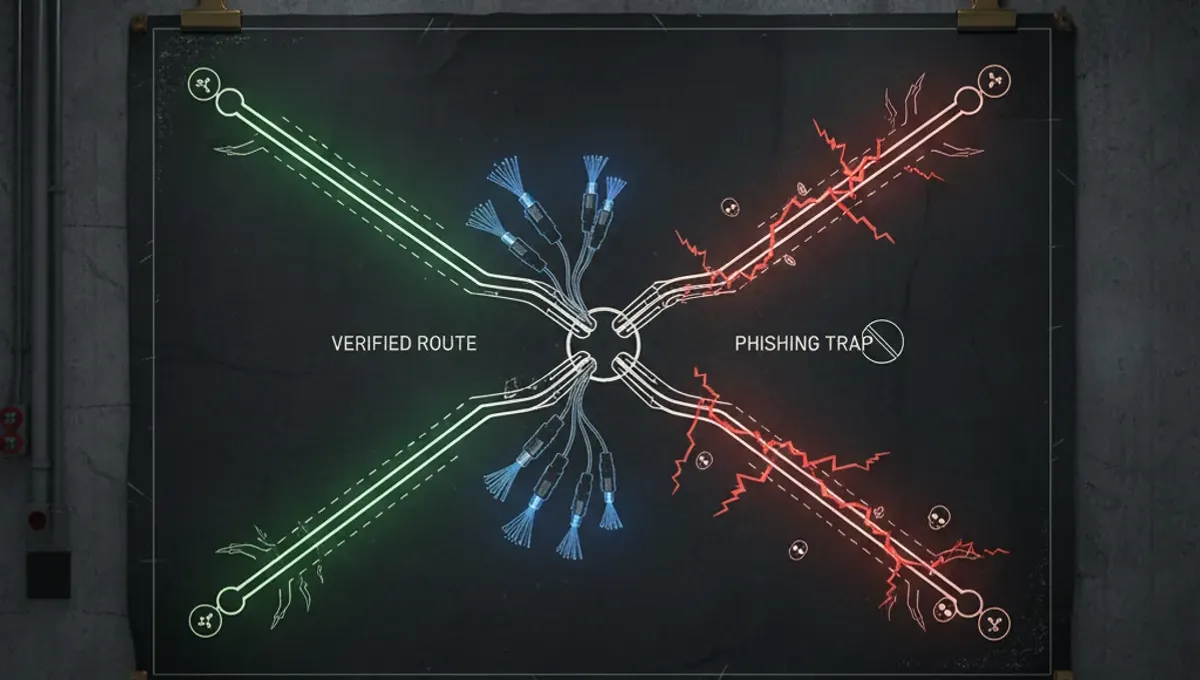
Phishing clones are fake versions of popular markets created by scammers or law enforcement to steal credentials or identify users. They are hosted on different onion addresses but use nearly identical designs and branding. Users who access a clone instead of the real market may lose funds or expose their identity.
For current information about which markets are operational, users should consult PGP-signed announcements from market administrators on verified forums, not third-party lists. The Tor Project and security researchers publish information about seized markets and law enforcement actions, but this information is always retrospective.
Security Risks and Common Mistakes
Users of dark web markets face multiple overlapping risks. The most common mistake is assuming that Tor alone provides anonymity. Tor protects your IP address from the website you visit, but it does not protect you from malware, phishing, poor password practices, or your own operational security failures.
Cryptocurrency transactions are permanent and traceable. Blockchain analysis firms can link wallet addresses to identities through exchange records, transaction patterns, or metadata. Users who deposit cryptocurrency from a regulated exchange using their real name create a permanent record connecting their identity to their market activity.
Markets themselves are targets for theft. Hackers infiltrate platforms to steal cryptocurrency or user data. Vendors may be scammers who take payment and never deliver. Buyers may receive counterfeit or dangerous products. Law enforcement may operate honeypot markets designed to identify and prosecute users. There is no recourse for any of these scenarios because the entire ecosystem operates outside legal protection.
Reality Check: What Actually Happens
According to Tor Project documentation and public law enforcement press releases, the vast majority of dark web market users are never prosecuted. However, this does not mean they are safe. Authorities prioritize vendors and administrators over individual buyers, but they do conduct investigations that can take years before resulting in arrests.
Blockchain analysis has become sophisticated enough to link cryptocurrency transactions to real identities in many cases. Users who believe they are anonymous often discover otherwise when law enforcement serves them with a subpoena or arrest warrant. This matters because it means the anonymity provided by Tor is not absolute and can be defeated through other means.
Markets that appear stable often collapse suddenly. Users who store significant funds on a platform risk losing everything to an exit scam or security breach. The financial incentive for administrators to steal is enormous, and the technical barriers to doing so are low. This is why security researchers recommend never keeping funds on a market longer than necessary to complete a transaction.
Finding Information About Markets
Instead of relying on third-party lists, use these methods to find reliable information:
- Check the Tor Project's official website for security advisories and information about compromised onion services
- Review PGP-signed announcements from known market administrators on verified forums
- Consult security vendor reports about seized markets and law enforcement actions
- Search court records and law enforcement press releases for information about prosecutions
- Join communities that discuss darknet topics on platforms like Reddit, but verify information through multiple sources
Never click links from unverified sources. Phishing clones are designed to look identical to legitimate markets. Always verify onion addresses through PGP-signed announcements or the official Tor directory. Bookmark verified addresses and never rely on search results or third-party lists to find market links.
Protecting Yourself from Related Threats
Even if you never access dark web markets, you may be affected by them. Data breaches from legitimate companies are often sold on dark web forums. Ransomware attacks disrupt services and leak sensitive information. Malware developed in darknet communities can compromise your personal devices.
To reduce your risk, use strong unique passwords for every online account, enable two-factor authentication wherever available, and monitor your credit reports for signs of identity theft. If your data appears in a breach, change passwords immediately and consider using a password manager to generate and store complex credentials.
Use a reputable VPN and keep your operating system and software updated with security patches. Be skeptical of unexpected emails, messages, or downloads. Malware often spreads through phishing and social engineering rather than through technical vulnerabilities. Understanding how dark web markets operate and how they are targeted by law enforcement helps you recognize similar threats in legitimate online spaces.
What This Means for Your Security
The dark web market ecosystem is fundamentally unstable. Markets close, exit scam, or get seized regularly. Users lose money, face legal consequences, or have their identities compromised. This reality should inform how you think about online privacy and security more broadly.
The lesson is not that anonymity is impossible, but that it requires constant vigilance and technical competence. Most people do not have the expertise to use dark web markets safely, and the financial and legal risks far outweigh any perceived benefits. If you are concerned about privacy, focus on legitimate tools like VPNs, encrypted messaging apps, and strong password practices.
If you are researching the dark web for academic or professional reasons, use publicly available information from law enforcement reports, court records, and security research. Do not attempt to access markets yourself. If you have already accessed markets or stored funds on them, consider consulting a lawyer about your legal exposure and take steps to secure your devices and accounts immediately.
Frequently asked questions
Is there a reliable list of active dark web markets?
No. Any list of active markets becomes outdated within days because markets close, exit scam, or get seized constantly. Third-party lists often link to phishing clones designed to steal credentials. For current information, consult PGP-signed announcements from market administrators on verified forums or check law enforcement press releases for information about seized markets.
Can I be caught using a dark web market?
Yes. While Tor protects your IP address, law enforcement uses blockchain analysis, undercover operations, and server seizures to identify users. Authorities prioritize vendors and administrators, but they do investigate and prosecute individual buyers. Cryptocurrency transactions are permanent and traceable, and poor operational security can lead to deanonymization.
What happens if a market I use gets seized?
If you have funds on the market, you lose them. If you have made purchases, law enforcement may have records of your transactions and could contact you. If you have stored personal information on the market, it may be seized as evidence. There is no recourse because the market operates outside legal protection.
How do I know if an onion address is real or a phishing clone?
Verify the address through a PGP-signed announcement from the market administrator or check the official Tor directory. Never click links from third-party sources. Bookmark verified addresses and always type them manually or use a password manager. Phishing clones are designed to look identical to legitimate markets but are hosted on different onion addresses.
What is the safest way to research dark web markets?
Use publicly available information from law enforcement press releases, court records, and security research reports. Do not attempt to access markets yourself. If you are concerned about your privacy, focus on legitimate tools like VPNs, encrypted messaging, and strong passwords instead.