What Are Dark Web Sites in Hindi
Dark web sites in Hindi are websites hosted on the Tor network and written in or serving Hindi-speaking users. They operate on .onion addresses, which are encrypted and routed through multiple Tor nodes to hide the server's location. These sites range from forums and news outlets to marketplaces and discussion boards. The Hindi-language dark web serves communities in India, Nepal, and the diaspora who want privacy-focused communication or access to information restricted in their regions. Unlike the surface web, these sites are not indexed by Google and require knowledge of specific onion addresses to find. The Tor network itself is a legitimate tool developed for privacy and free speech, though it is also used for illegal activities.
How the Tor Network and Onion Sites Work
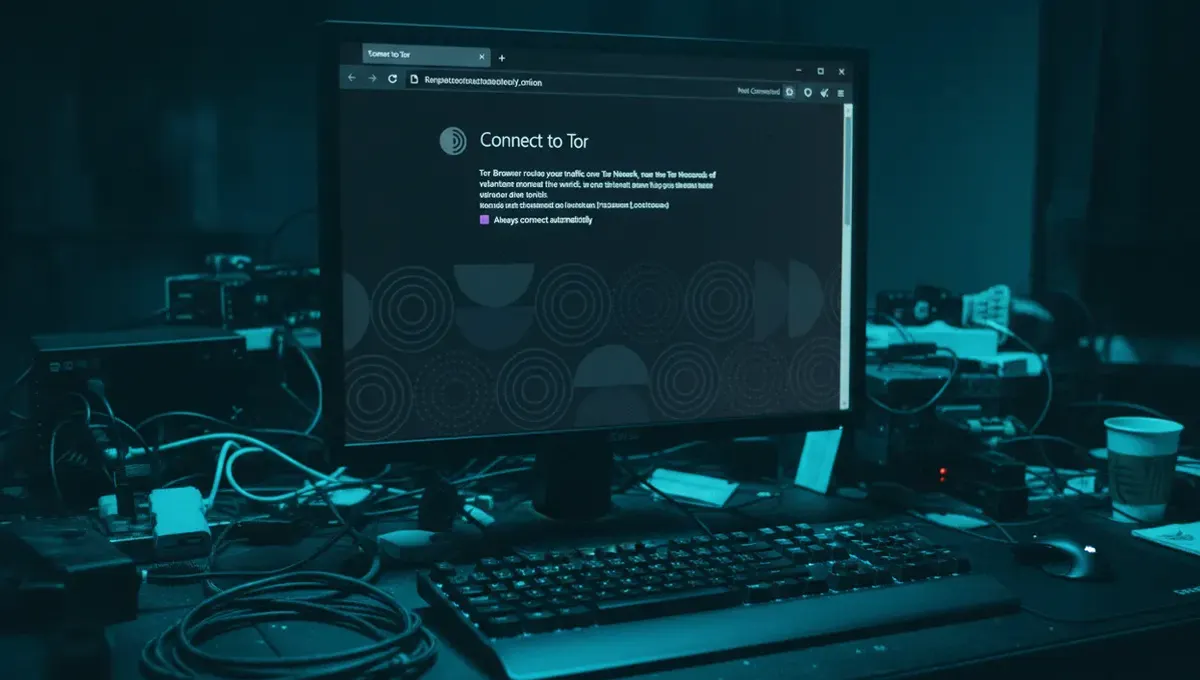
Tor is free software that routes your internet traffic through a series of volunteer-run servers called nodes, encrypting it at each layer. When you access an onion site, your connection is encrypted end-to-end, and the site's server location is hidden behind multiple layers of encryption. This is why onion addresses look like random strings of characters followed by .onion. The Tor Project, a nonprofit organization, maintains the core software and publishes documentation on how the network operates. Each time you connect, Tor assigns you a different exit node, making it difficult to trace your activity back to your real IP address. However, Tor is not a magic shield; your behavior online can still reveal your identity if you are careless, and law enforcement has successfully de-anonymized users through traffic analysis and operational mistakes.
Why Hindi-Language Dark Web Communities Exist
Hindi-language dark web sites emerged to serve users who face censorship, surveillance, or restricted internet access in their home countries or regions. Some communities use onion sites to discuss topics that are sensitive or banned locally, such as politics, religion, or LGBTQ issues. Others use them for privacy-focused journalism, activism, or simply to communicate without their activity being monitored by ISPs or governments. Forums and discussion boards in Hindi allow users to share information, ask questions, and build trust-based communities. The anonymity provided by Tor appeals to people who fear retaliation or legal consequences for their speech. At the same time, the same anonymity attracts scammers, malware distributors, and criminals, making it essential to approach these spaces with caution and skepticism.
Reality Layer: How the Dark Web Actually Behaves
According to Tor Project documentation, the majority of onion traffic is legitimate, but scams and malware are endemic because anonymity removes accountability. Many users lose money to exit scams on dark web marketplaces, where vendors disappear after collecting payment. Law enforcement agencies, including the FBI and Europol, have successfully shut down major dark web markets and arrested operators by combining traffic analysis, undercover purchases, and traditional investigation. Court records from high-profile cases show that even experienced criminals make operational security mistakes, such as reusing usernames or failing to isolate their Tor activity from their regular internet use. This matters to you because it means no dark web site is truly safe from law enforcement action, and the risk of losing money to scams is very real. Additionally, malware and phishing clones of popular sites are common, so verifying addresses through PGP-signed announcements is critical.
Risks of Accessing Dark Web Sites
Accessing dark web sites carries several distinct risks. Malware is frequently distributed through onion links, sometimes disguised as legitimate tools or forums. Phishing clones of popular sites trick users into entering credentials or downloading infected files. Law enforcement monitors dark web activity and has successfully prosecuted users for accessing or hosting illegal content, even in countries with strong privacy protections. Your own operational security mistakes, such as using the same username across sites or maximizing your browser window, can reveal your identity. Additionally, many dark web sites are honeypots run by law enforcement to identify and prosecute users. If you do access onion sites, assume that every interaction could be monitored, logged, or used against you. Never assume anonymity is absolute, and never download files unless you are certain of their source and have verified them with antivirus software.
Safe Practices for Tor Browsing
If you choose to use Tor, follow these operational security principles:
- Use the official Tor Browser from the Tor Project website only, never from mirrors or third-party sources
- Keep your operating system and all software fully patched and updated
- Use a dedicated virtual machine or a privacy-focused operating system like Tails when accessing sensitive onion sites
- Never maximize your browser window, as this can reveal your screen resolution and help identify you
- Disable JavaScript in Tor Browser settings to prevent certain types of attacks
- Never open files downloaded from onion sites without scanning them with antivirus software first
- Verify onion addresses through PGP-signed announcements or the official resources page of this site, not through search results or forums
- Assume that any site could be a honeypot, phishing clone, or scam
These steps reduce your risk but do not eliminate it. Even with perfect operational security, your activity on the dark web can be logged and analyzed by sophisticated adversaries.
Verifying Onion Addresses and Avoiding Phishing Clones
Phishing clones are fake versions of popular dark web sites designed to steal credentials, private keys, or cryptocurrency. They often use slightly altered onion addresses that are easy to confuse with the real site. The best defense is to verify addresses through official channels: PGP-signed announcements from site administrators, the official resources page of this site, or trusted community forums where addresses are discussed and verified by multiple users. Never click on onion links in search results or forums without cross-checking the address against multiple sources. Legitimate sites often publish their onion address on their clearnet (surface web) mirror or on their official social media accounts. If a site asks you to enter a password or private key immediately upon visiting, it is almost certainly a phishing clone. Always check the URL bar carefully and compare it character by character against the address you intended to visit.
What You Can Do Today
If you want to understand the dark web better without taking unnecessary risks, start by reading the Tor Project's official documentation and security guides on their website. This will give you accurate information about how the network works and what threats actually exist. If you decide to use Tor, download the official Tor Browser, set it up on a test machine, and spend time learning how to use it safely before accessing any onion sites. Visit the Useful Resources page of this site to find verified links to legitimate onion directories and security guides. Remember that curiosity about the dark web is normal, but rushing into it without preparation is how people compromise their security or fall victim to scams. Take the time to learn first, and approach every site with skepticism.
Frequently asked questions
What does dark web sites kya hai in hindi mean
This phrase translates to 'what are dark web sites' in Hindi. It refers to websites hosted on the Tor network that serve Hindi-speaking users. These sites use .onion addresses and require the Tor Browser to access. They cover a wide range of content, from forums and news to marketplaces and discussion boards.
Are dark web sites in Hindi illegal to visit
Simply visiting a dark web site is not illegal in most countries. However, accessing content that is illegal in your jurisdiction, such as child exploitation material or instructions for making weapons, is a crime. The legality depends on what you access and where you live. Always research your local laws before using Tor.
How do I find verified dark web sites in Hindi
Never rely on search results or random forum posts to find onion addresses. Instead, visit the Useful Resources page of this site, which lists verified directories and guides. Look for PGP-signed announcements from site administrators, and cross-check addresses across multiple trusted sources before visiting. This reduces the risk of landing on a phishing clone or scam site.
Can I be traced if I use Tor to access dark web sites
Tor provides strong anonymity, but it is not perfect. Law enforcement has successfully de-anonymized Tor users through traffic analysis, malware, and operational security mistakes. If you maximize your browser window, reuse usernames, or download files carelessly, you can be identified. Assume that your activity could be logged and analyzed by sophisticated adversaries.
What is the difference between the dark web and the deep web
The deep web is any part of the internet not indexed by search engines, including private email accounts, medical records, and paywalled content. The dark web is a small part of the deep web that has been intentionally hidden and requires specific software like Tor to access. Most of the deep web is mundane and legal; the dark web is where anonymity is the primary feature.