What Is a Dark Web Email List
A dark web email list is a curated directory of email services accessible only through the Tor browser, usually hosted as .onion addresses. These services allow users to create and manage email accounts without providing personal information or a phone number. Unlike ProtonMail or Tutanota, which operate on the regular internet but offer encryption, onion-based email providers run their infrastructure entirely on the Tor network.
These lists serve several legitimate purposes: journalists communicating with sources, activists in censored regions, security researchers coordinating vulnerability disclosures, and privacy-conscious individuals who want to avoid ISP-level metadata collection. The email list itself is typically a simple directory with the onion address, a brief description, and sometimes user reviews or verification status.
Most dark web email services are free or donation-based. They do not require you to provide a recovery email, phone number, or any identifying information. Some offer PGP key management directly in the web interface, making it easier to encrypt outgoing messages without external tools.
How Onion Email Services Differ from Standard Providers
The core difference is routing and metadata exposure. When you use Gmail or Outlook, your ISP can see that you are connecting to Google or Microsoft servers, even if the connection is encrypted. With a Tor-based email service, your ISP sees only that you are using Tor; it cannot see which .onion address you are visiting or what you are doing there.
Second, onion email services typically do not log IP addresses or connection metadata the way surface-web providers do. They operate under the assumption that users need anonymity from the service operator itself, not just from external observers. This means they usually do not store your login history, device fingerprints, or recovery information that could be subpoenaed.
Third, onion email services often have weaker spam filtering and fewer features than mainstream providers. They are designed for security and anonymity, not convenience. You may receive more phishing emails, and the interface is often minimal. Some services also have limited storage and do not support attachments, forcing users to rely on external file-sharing services or PGP-encrypted messages.
Verifying Legitimate Onion Email Addresses
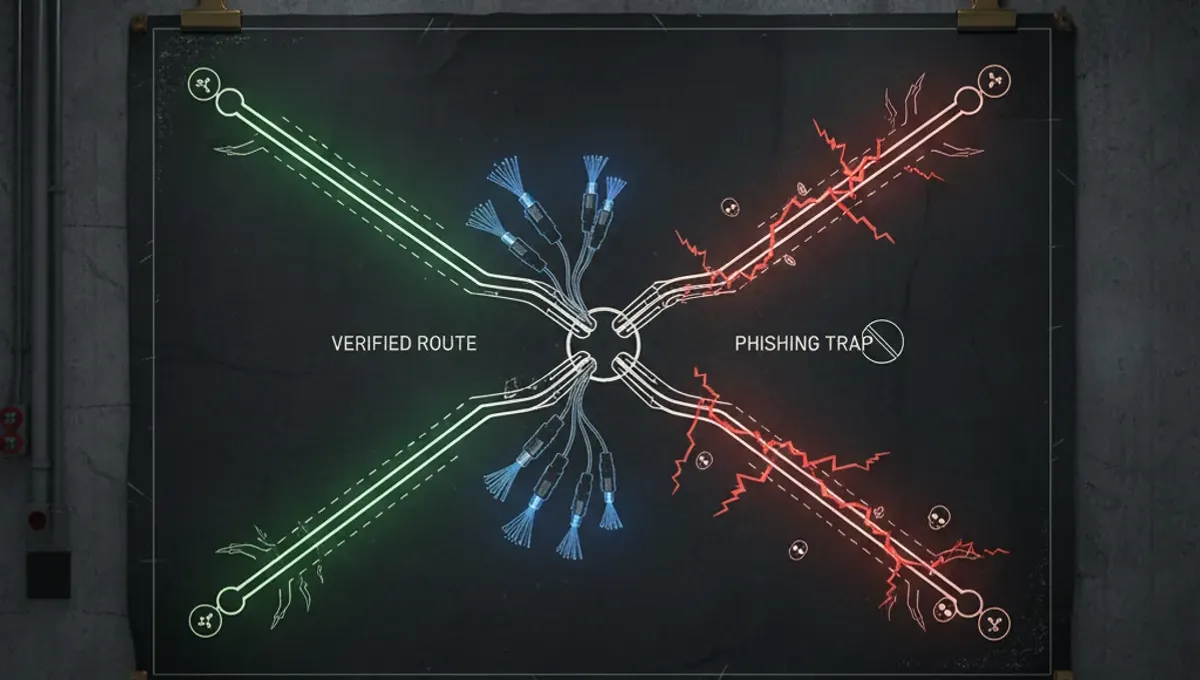
One of the biggest risks when using a dark web email list is encountering phishing clones. Attackers create fake .onion mirrors of popular email services to harvest credentials. To verify that an onion address is legitimate, follow these steps:
- Check the official Tor Project directory or the service's PGP-signed announcement on public forums or mailing lists
- Look for a PGP key fingerprint published on the service's website and verify it against multiple sources
- Cross-reference the address on Reddit communities dedicated to Tor services, but treat user claims with skepticism
- Contact the service operator through their published PGP key if you have doubts
- Test the service with a non-sensitive account first before using it for important communications
Never assume that an address is legitimate just because it appears on a dark web email list or a Reddit thread. Phishing clones often rank well in search results and appear in outdated directories. Always verify the PGP signature of any announcement before trusting a new address.
Reality Layer: How Onion Email Services Actually Work
According to Tor Project documentation, onion services use a distributed introduction point system that hides the server's IP address from the client and vice versa. This means the email provider cannot see your real IP even if your Tor exit node is compromised. However, this does not make you invisible to law enforcement if the service operator is compelled to cooperate or if the server is seized.
Public law-enforcement press releases and court records show that several onion email services have been shut down and their operators arrested or extradited. The service's anonymity protects users from casual surveillance, but not from targeted investigation with a warrant. If you use an onion email service to coordinate illegal activity, the service logs (if kept) and metadata can be used as evidence.
Security-vendor incident reports document cases where onion email services were compromised by malware or social engineering. Some services have also been abandoned by their operators, leaving users' data on unpatched servers. The lack of commercial incentive means that security updates are often slow or nonexistent. Users should assume that any onion email service could disappear or be compromised at any time.
Building a Dark Web Browsers List and Email Setup
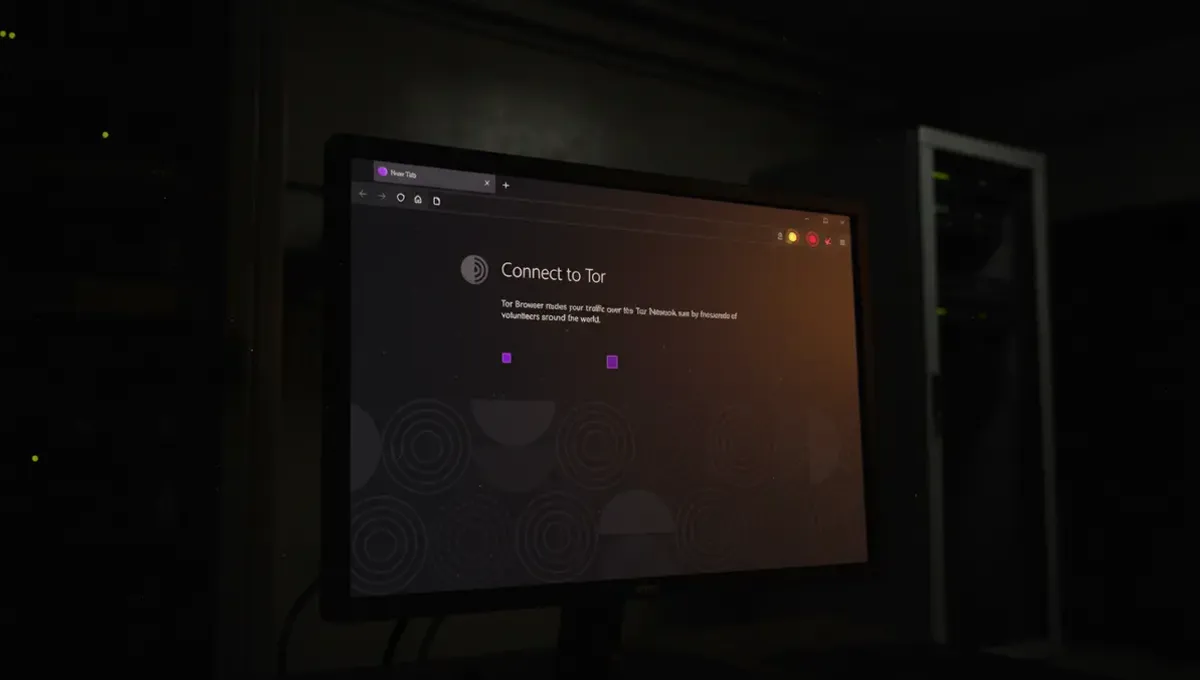
Before accessing any onion email service, you need a secure Tor browser. The official Tor Browser is the recommended choice; it includes security hardening and automatic updates. Do not use older versions or unofficial forks, as they may contain vulnerabilities.
When setting up your Tor browser for email access, consider these steps:
- Download Tor Browser from the official Tor Project website only
- Verify the GPG signature of the installer before running it
- Install it in a dedicated directory and do not modify the configuration
- Enable the highest security level in Tor Browser settings
- Disable JavaScript in the security settings to reduce fingerprinting
- Use a separate Tor Browser profile for email if you use Tor for other purposes
Some users prefer to run Tor Browser inside a virtual machine or on a dedicated device to isolate email activity from other online behavior. This adds a layer of protection against malware that could compromise your Tor session.
Common Mistakes When Using Dark Web Email Services
The most frequent mistake is reusing usernames or email addresses across different onion services. If you use the same handle on an email service and a forum, an attacker or investigator can link your accounts. Always use unique, randomly generated usernames for each service.
Second, users often forget that email metadata is still visible to the service operator. The timestamp of when you send a message, the recipient's address, and the subject line are not encrypted by default. If you need to hide this metadata, you must use PGP encryption end-to-end, which encrypts the entire message body and subject.
Third, many people assume that using an onion email service makes them anonymous forever. In reality, your writing style, the topics you discuss, and the frequency of your messages can be used to identify you. Law enforcement has successfully deanonymized users by analyzing communication patterns and content. Treat onion email as one layer of protection, not as complete anonymity.
Maintaining OpSec When Managing Multiple Email Accounts
If you maintain a dark web email list or multiple anonymous accounts, operational security (OpSec) requires discipline. Never access multiple accounts from the same Tor session without restarting Tor Browser between logins. Each restart assigns you a new Tor exit node, making it harder to link sessions.
Use a password manager to generate and store unique, complex passwords for each account. Do not reuse passwords, even if you think an account is temporary. Keep your Tor Browser and operating system fully updated. Disable plugins and extensions that could leak your IP address or fingerprint your browser.
When composing sensitive emails, consider drafting them offline in a text editor, then copying and pasting into the web interface. This reduces the time your message is exposed in the browser's memory. If you use PGP, encrypt messages before pasting them into the email client whenever possible. Log out completely after each session and clear your browser cache.
Why Dark Web Email Lists Matter for Security Awareness
Understanding how onion email services work and how to find them safely is essential for anyone who needs to communicate securely in hostile environments. Journalists, whistleblowers, and activists in countries with heavy censorship or surveillance rely on these tools. Security researchers use them to coordinate responsible disclosure of vulnerabilities without alerting attackers.
For ordinary users, knowing about dark web email lists and the broader dark web browsers list ecosystem helps you understand what privacy tools exist and what their actual limitations are. It also helps you recognize when someone is claiming to offer anonymity they cannot deliver. Many scams on the dark web exploit users' misunderstanding of how Tor and onion services work.
The next step is to visit the Useful Resources page on this site, which links to verified onion email services and PGP-signed announcements from their operators. Start by reading the Tor Project's guide to onion services, then test a service with a non-sensitive account before using it for important communications. Verify every address through multiple sources before trusting it with your data.
Frequently asked questions
Is it illegal to use a dark web email service
No, using an onion email service is not illegal in most countries. However, using it to coordinate illegal activity is illegal. Law enforcement can and has obtained warrants to seize onion email servers and prosecute users based on the content of their messages. The anonymity of the service does not protect you from criminal liability for your actions.
Can I access dark web email on my phone
Yes, you can use Tor Browser on Android to access onion email services. However, mobile devices are more vulnerable to malware and fingerprinting attacks. If you need to access sensitive email on a phone, use a dedicated device or a virtual machine running a hardened operating system like Tails or Whonix.
How do I know if an onion email address is a phishing clone
Phishing clones often have slightly different addresses, missing features, or poor English in the interface. Always verify the address against the official PGP-signed announcement from the service operator. If you cannot find a PGP signature, assume the address is not legitimate. Test with a dummy account first before using it for real communications.
What should I do if my dark web email account is hacked
If you suspect your onion email account has been compromised, stop using it immediately. Do not attempt to recover it unless you can verify the recovery process through the official service's PGP key. Create a new account with a different username and password. Assume that any messages sent from the compromised account may have been read by the attacker.
Can I use a dark web email service for regular communication
Technically yes, but it is not practical. Onion email services are slow, have limited features, and often have poor spam filtering. They are designed for security and anonymity, not convenience. Use them only when you need to hide your communication from your ISP, email provider, or a specific adversary.