What Torch Was and How It Worked
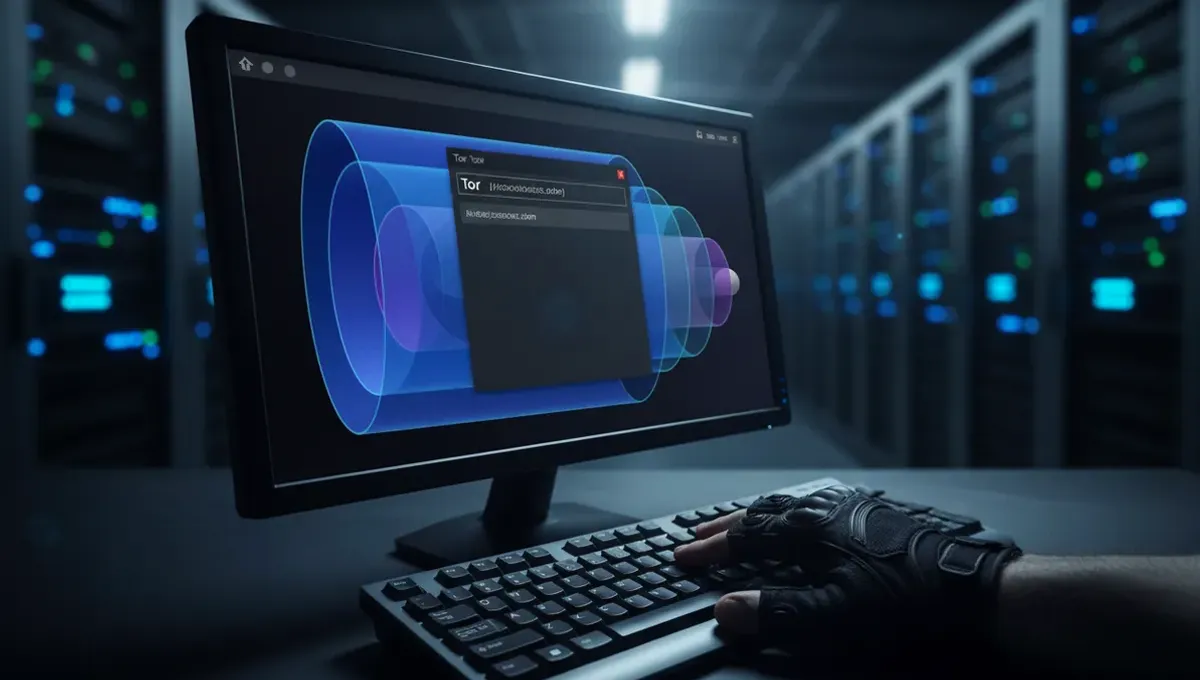
Torch launched in the early 2000s as a web crawler designed to index .onion addresses and make them searchable. Unlike surface web search engines, Torch had to navigate the Tor network itself, following links from onion site to onion site and cataloging their content. The search interface was deliberately simple: a text box, a search button, and results ranked by relevance. Users could search for forums, marketplaces, blogs, and other hidden services without needing to know a specific .onion address beforehand.
The engine indexed millions of pages over its lifetime. Torch became the default starting point for people exploring the dark web, much like Google serves the surface web. Its longevity came from the fact that it required no account, no registration, and no payment. The operator maintained the crawler and the index quietly, without publicity or corporate backing.
Why Torch Became the Top Dark Web Search Engine
Before Torch, discovering onion sites meant relying on word-of-mouth, forum posts, or manually maintained link directories. Torch automated that process. Users could type a keyword and get results instantly, which was revolutionary for the Tor community. The search engine indexed both legitimate hidden services (privacy-focused forums, whistleblower platforms, censorship-circumvention resources) and illegal marketplaces, which gave it notoriety and traffic.
Torch's dominance also reflected the lack of competition. Other dark web search engines existed but were less reliable or slower. Torch's index was large enough and fresh enough to be useful. The best dark web search engine for Tor at that time was simply Torch by default, not because it was technically superior but because it was the only practical option at scale. Its reputation grew as more people used it and contributed links to its index.
The Reality of Dark Web Search Engine Operations
Operating a search engine on the dark web involves technical and legal risks that most people underestimate. According to Tor Project documentation on onion service stability, maintaining a large-scale crawler requires significant server resources, bandwidth, and careful network configuration to avoid deanonymization. The operator of Torch faced constant pressure from law enforcement, as the search engine indexed marketplaces where illegal goods were sold. Security-vendor incident reports have documented how law-enforcement agencies attempted to identify and seize dark web search engines, treating them as facilitators of crime rather than neutral infrastructure.
A second reality: search engines on the dark web are targets for phishing and impersonation. Users searching for "dark web search engine torch link" or similar queries often land on clones or fake mirrors designed to steal credentials or inject malware. The original Torch operator never promoted the site heavily, which meant users had to find it through word-of-mouth or directory listings, creating confusion about which address was legitimate. This vulnerability affected user trust and made the ecosystem fragile.
What Happened to Torch
Torch's status changed significantly over time. The search engine went offline around 2015, though the exact circumstances remain unclear. Some sources suggest the operator abandoned the project due to legal pressure or operational burnout. Others indicate technical failures or a deliberate shutdown. Unlike some dark web services that announce their closure, Torch simply stopped responding, leaving users without a clear explanation.
After Torch went offline, its .onion address became a target for phishing. Scammers registered similar-looking addresses or compromised mirrors, hoping to capture users searching for the original engine. This pattern is common in the dark web ecosystem: when a legitimate service disappears, its reputation is exploited by attackers. The absence of Torch created a vacuum that other search engines attempted to fill, though none achieved the same scale or reliability during its peak years.
Alternatives and the Current Search Engine Landscape
After Torch's decline, several other dark web search engines emerged to serve the onion community. These include Ahmia, Grams, and others that attempted to replicate Torch's functionality with updated features. Each had different indexing strategies, result quality, and operator philosophies. Some were more transparent about their methods; others operated anonymously like Torch did. The deep web search engine torch link searches that users perform today often lead to outdated information or phishing clones rather than working alternatives.
The current state of dark web search engines is fragmented. No single engine has achieved Torch's former dominance. Some operators have shut down voluntarily, others have been seized by law enforcement, and a few continue operating with varying degrees of reliability. Users looking for a top dark web search engine today must verify that they are using a legitimate address, check PGP-signed announcements from the operator, and understand that any search engine indexing illegal content is inherently unstable and may disappear without warning.
How to Verify a Dark Web Search Engine Address
Because phishing is endemic to the dark web, verifying a search engine's legitimacy requires specific steps. Do not rely on search results, forum posts, or Reddit discussions alone, as these are frequently compromised or outdated. Instead, follow this process:
- Visit the official Tor Project resources or established dark web directories that are PGP-signed by their operators.
- Look for the operator's public key and verify any announcements about the search engine's address.
- Check the SSL certificate or security information of the .onion site (though this is limited on Tor).
- Test the search engine with known queries and compare results across multiple sessions to detect injection attacks.
- If the operator publishes a blog or forum presence, verify that account through PGP signatures.
These steps take time but protect you from credential theft, malware, and phishing. Trusting an unverified address is how many users compromise their security on the dark web.
Why Torch Matters for Understanding the Dark Web Today
Torch's history illustrates several truths about the dark web that remain relevant. First, centralized services on Tor are fragile and often disappear, which is why the ecosystem has evolved toward decentralized alternatives and peer-to-peer discovery. Second, the absence of a dominant search engine means users must rely on multiple sources and manual verification, increasing friction but also reducing single points of failure. Third, the legal and operational pressures on dark web infrastructure are real and constant, which shapes what services survive and what disappears.
Understanding Torch also helps you recognize phishing attempts and scams. When you see a link claiming to be a dark web search engine or a dark web links search engine, you can evaluate it critically instead of assuming it is legitimate. The lesson is simple: on the dark web, verification is not optional, and the absence of a service you remember does not mean a replacement is safe. Your security depends on your own diligence, not on trusting a single tool or operator.
Frequently asked questions
Is Torch still online
Torch went offline around 2015 and has not returned. The original .onion address no longer responds to requests. Any site claiming to be Torch today is likely a phishing clone or scam. Always verify search engine addresses through PGP-signed announcements from trusted sources before using them.
What was Torch used for
Torch indexed .onion sites and allowed users to search for hidden services by keyword. It cataloged both legitimate privacy-focused platforms and illegal marketplaces. Users relied on Torch to discover onion addresses without knowing them in advance, similar to how people use Google on the surface web.
Why did Torch disappear
The exact reason is unclear, but likely causes include legal pressure from law enforcement, operational burnout, or technical failure. The operator never announced a shutdown, which is typical for dark web services. The absence of transparency made it difficult for users to know whether the service was temporarily down or permanently closed.
What search engines replaced Torch
Several alternatives emerged after Torch, including Ahmia and others. However, no single engine has achieved Torch's former scale or reliability. The dark web search landscape is now fragmented, with multiple smaller engines operating independently. Users must verify addresses carefully, as phishing clones are common.
How do I safely search the dark web now
Use verified search engines through PGP-signed announcements, cross-reference results across multiple sources, and never click links from unverified addresses. Consider using established dark web directories and forums where operators maintain lists of working onion sites. Always assume that any search result could be a phishing attempt.