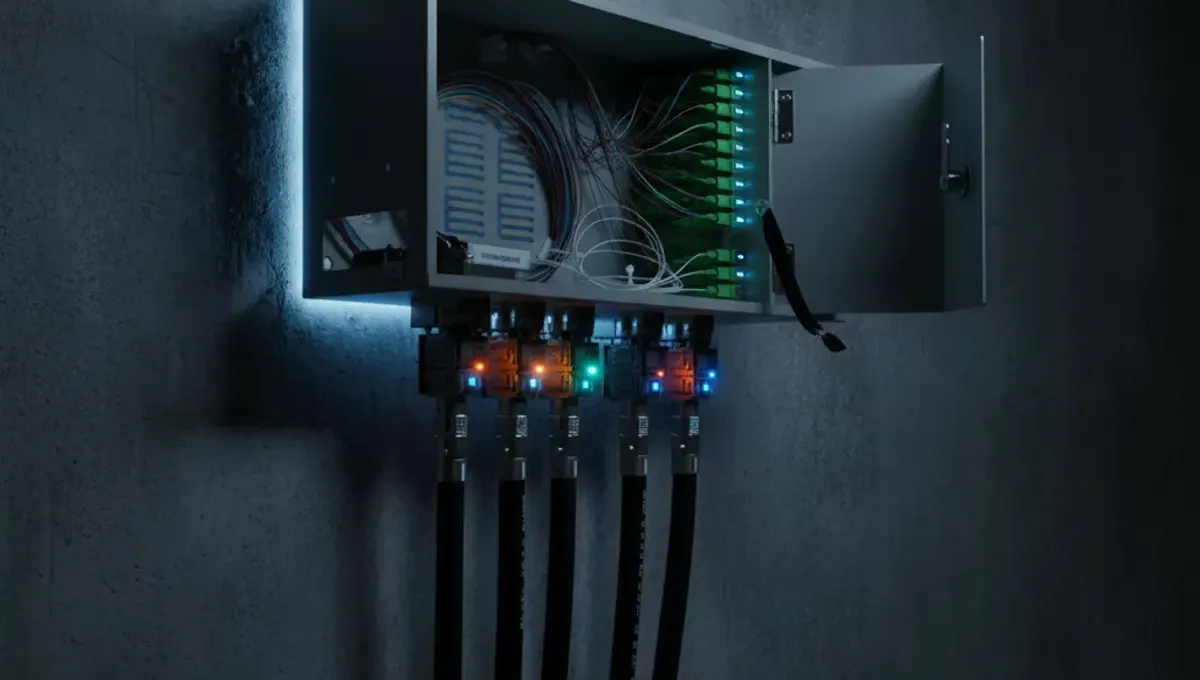
What a Dark Web Website Actually Is
A dark web website is a service hosted on the Tor network and accessed via an onion address, a string of characters ending in .onion. Unlike regular websites that use IP addresses, onion addresses are derived from cryptographic keys, making them difficult to locate or block without the operator's consent. These sites can host forums, marketplaces, news outlets, whistleblowing platforms, or privacy-focused communication tools. The term dark web website online often refers to sites that remain operational, though many are mirrors or clones of popular services. The Tor Project documentation explains that onion services use multi-hop encryption, meaning your connection is routed through multiple Tor relays before reaching the destination, obscuring both your location and the server's real IP address.
How to Verify a Real Onion Address
Verification is critical because phishing clones are rampant. A legitimate onion site operator publishes their address on official channels: a PGP-signed announcement on their clearnet mirror, a pinned message in their official forum, or a statement on their social media. Never trust an onion address you find in a search result or a Reddit post without cross-checking it. Follow these steps to verify an address:
- Visit the official clearnet website or social media account of the service you want to access.
- Look for a PGP-signed message or announcement containing the onion address.
- Verify the PGP signature using the operator's public key, which should be published on their official site.
- Compare the address character-for-character with what you found elsewhere.
- Bookmark the verified address in your Tor browser and never rely on search results to find it again.
If you cannot find an official announcement, the address is unverified and likely a clone.
Why Phishing Clones Dominate Search Results
Onion search engines like Ahmia and Torch index thousands of sites, but they do not verify ownership or legitimacy. This creates an environment where a phishing clone can rank as high as the real site. A clone typically mimics the interface of a popular marketplace or forum, then captures your login credentials when you enter them. The attacker then uses those credentials to access your account on the real site, or sells them to other criminals. According to security-vendor incident reports on onion service attacks, credential harvesting through clones accounts for a significant portion of account compromises on dark web platforms. The clone operator may even add a subtle delay before showing an error message, making you believe you mistyped your password rather than suspecting fraud.
The Reality of Dark Web Website Hosting
Hosting a dark web website online requires running a Tor hidden service, which means maintaining a server that is always connected to the Tor network. This creates operational security challenges. The operator must keep the server patched, monitor logs for intrusions, and manage the onion address without revealing their location. Many operators use virtual private servers in jurisdictions with weak law-enforcement cooperation, or they run the service from their own hardware behind Tor. The Tor Project documentation notes that onion services can be seized if law enforcement gains access to the server, and several high-profile marketplaces have been shut down this way. Additionally, a compromised server can leak metadata that deanonymizes the operator, which is why experienced operators use Tails or Whonix to isolate their hosting infrastructure.
Common Misconceptions About Dark Web Websites
Many people believe that all dark web websites are illegal marketplaces or that accessing them is inherently illegal. In reality, onion services host legitimate privacy-focused news outlets, whistleblowing platforms, and communication tools used by journalists, activists, and ordinary people in countries with internet censorship. Accessing a dark web website online is not illegal in most jurisdictions; what matters is what you do there. Purchasing illegal goods or services is illegal regardless of the platform. Another misconception is that the dark web is completely anonymous. While Tor provides strong anonymity, user behavior can leak identity: logging into an existing username, using the same email address, or visiting the site from the same IP address repeatedly can all compromise anonymity. Law enforcement also uses honeypots, fake marketplaces designed to attract criminals and collect evidence.
How to Access a Dark Web Website Safely
Safe access begins with the Tor browser, the official tool maintained by the Tor Project. Download it only from torproject.org, never from mirrors or third-party sites. Once installed, open the browser and allow it to connect to the Tor network, which takes 10-30 seconds. Then enter the onion address in the address bar. Do not maximize your browser window, as this can reveal your screen resolution to the site you visit. Disable JavaScript in the Tor browser settings if you are visiting an untrusted site, as JavaScript can sometimes be exploited to reveal your real IP address. Use a dedicated device or virtual machine if you are concerned about malware, and consider using Tails, a live operating system designed for anonymity, if you are handling sensitive information. Never open multiple tabs to different sites simultaneously, as this can allow a malicious site to correlate your activity.
Why Dark Web Website Lists Are Unreliable
Directories and lists of dark web websites online are frequently outdated, inaccurate, or deliberately misleading. A list published a few months ago may contain links to sites that have been seized, abandoned, or replaced by phishing clones. Some lists are created by scammers who profit from ad revenue or by selling the list itself. Others are honeypots designed to collect the IP addresses of visitors. If you find a dark web list website or a dark web ki website claiming to have verified links, verify each address independently before trusting it. The safest approach is to find the service you want through its official clearnet presence, then locate the onion address through their official announcement. Avoid relying on Reddit, Telegram, or Discord communities for onion addresses, as these platforms are frequently infiltrated by scammers and law enforcement.
Taking Your First Verified Step
The core takeaway is simple: a dark web website online is only as trustworthy as your ability to verify its address. Phishing clones, honeypots, and abandoned sites vastly outnumber legitimate services, so verification is not optional. Start by identifying a specific service you want to access, then locate its official clearnet website or social media account. Search for a PGP-signed announcement of the onion address, verify the signature, and bookmark the address. Download the Tor browser from torproject.org, connect to the network, and enter the verified address. If you are new to this, spend time reading the Tor Project's documentation on onion services before visiting any site. Your first action today should be to install the Tor browser and familiarize yourself with its settings, so that when you do access a dark web website, you are already confident in the basics.
Frequently asked questions
How do I know if a dark web website online is real or a phishing clone
Verify the onion address through the service's official clearnet website or PGP-signed announcement. Compare the address character-for-character with what you found elsewhere. If you cannot find an official announcement, the address is unverified and likely a clone. Never trust addresses from search results, Reddit, or Telegram without cross-checking them first.
Is it illegal to visit a dark web website
Visiting a dark web website is not illegal in most jurisdictions. What matters is what you do there. Accessing illegal goods or services is illegal regardless of the platform. Using Tor and onion services for privacy, journalism, or activism is protected in many countries, though some governments restrict Tor access itself.
What is the safest way to access a dark web website online
Download the Tor browser from torproject.org, connect to the Tor network, and enter a verified onion address. Do not maximize your browser window, disable JavaScript if visiting an untrusted site, and consider using Tails or a virtual machine for sensitive activities. Never open multiple tabs to different sites simultaneously, as this can correlate your activity.
Why are there so many fake dark web websites and lists online
Onion search engines do not verify site ownership or legitimacy, so clones rank as high as real sites. Scammers create fake lists for ad revenue or to sell the list itself. Some lists are honeypots designed to collect visitor IP addresses. The dark web ecosystem has weak reputation systems, making it easy for attackers to impersonate legitimate services.
Can I be traced if I visit a dark web website through Tor
Tor provides strong anonymity by routing your connection through multiple relays, but user behavior can leak identity. Logging into existing usernames, using the same email, or visiting from the same IP repeatedly can compromise anonymity. Law enforcement also uses honeypots and has seized servers hosting onion services, so no platform is completely safe from investigation.