What a Dark Web Directory Actually Is
A dark web directory functions like a traditional website index or search engine, but for onion services. Instead of crawling the surface web, these directories catalog .onion addresses and organize them by purpose: forums, markets, news sites, privacy tools, or information archives. Some directories are static HTML pages maintained by volunteers; others are searchable databases. The key difference from a regular search engine is that onion directories often rely on manual submission or community curation rather than automated crawling, because many onion sites deliberately hide from indexing. A directory entry typically includes the onion address, a brief description, and sometimes a verification status or last-seen date. Users rely on directories because discovering onion sites through word-of-mouth or random browsing is inefficient and risky. The most useful directories are those that include PGP signatures or cryptographic verification, so you can confirm the maintainer's identity.
How Onion Directories Have Evolved
The earliest onion directories were simple text files or wiki pages shared on forums, with no verification mechanism. The Hidden Wiki emerged as a community-maintained resource in the early 2010s, organized by category and edited by volunteers. As the Tor network grew, so did the number of phishing clones and fake mirrors of popular directories. Law enforcement seizures of major darknet markets also led to the removal of directory entries and the creation of backup mirrors. Over time, directory maintainers began using PGP signatures and cryptographic proofs to establish authenticity. Some directories now include metadata about when an onion address was last verified as online, reducing the frustration of clicking dead links. The landscape has shifted from a single authoritative source to a distributed ecosystem where multiple directories coexist, each with different curation standards and update frequencies.
Verification and the Phishing Clone Problem
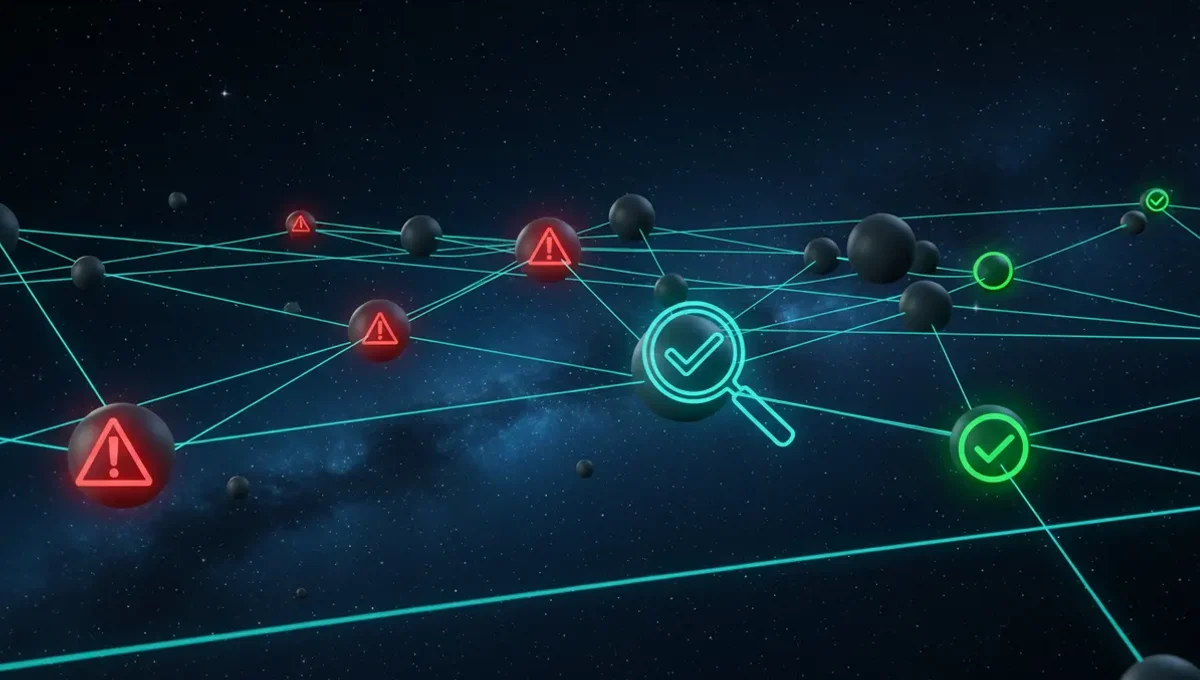
Phishing clones are fake copies of legitimate onion sites designed to steal credentials, private keys, or personal information. A clone of a directory or forum looks nearly identical to the original but uses a different onion address. Users who bookmark the wrong address or click a link from an untrustworthy source may unknowingly visit a clone. To verify a real onion link, follow these steps:
- Check the official PGP-signed announcement from the site maintainer on a trusted platform (such as a verified social media account or a pinned forum post).
- Compare the onion address character-by-character with the signed announcement.
- Verify the PGP signature using the maintainer's public key, which should be published on multiple independent sources.
- Never rely on a single directory entry or a link from an untrusted forum post.
- If a site requires you to log in immediately, verify the address again before entering credentials.
The Tor Project documentation emphasizes that onion addresses are long and difficult to remember precisely to prevent typos and social engineering. A single character difference means you are visiting a completely different server.
Why Directories Matter for Tor Safety
Directories reduce the attack surface by centralizing verification and curation. Instead of searching blindly or trusting random links, users can consult a curated list that has been vetted by experienced community members. A well-maintained directory includes information about which sites are known to be scams, which have been seized by law enforcement, and which mirrors are actively maintained. This is particularly important for forums and markets, where the cost of visiting a phishing clone can be financial loss or identity theft. Directories also serve an educational function by organizing resources by category, helping newcomers understand what legitimate onion services exist and what to avoid. For journalists, activists, and researchers, a reliable directory is a starting point for finding communication tools, news sources, and information archives that operate outside censorship. The downside is that no directory is perfectly maintained; some entries become outdated, and some maintainers disappear without notice.
Reality Check: How Directories Actually Fail
According to Tor Project documentation and security-vendor incident reports, the most common failure modes are outdated links, abandoned mirrors, and the proliferation of clones. A directory entry that was accurate six months ago may point to a dead server today. Some maintainers stop updating their lists and leave them online, creating a false sense of authority. Phishing actors exploit this by registering similar onion addresses and waiting for users to mistype or click from an outdated directory. Law enforcement actions also render directory entries obsolete; when a major forum or market is seized, the onion address becomes a dead end, but clones may spring up using similar names. This matters because users who trust a directory without verifying the current status may waste time on dead links or, worse, visit a clone thinking it is the real site. The lesson is that a directory is only as good as its maintenance schedule and the user's willingness to verify each link independently.
Searching for Onion Links Safely
Onion search engines like Ahmia and Torch index .onion sites and allow keyword searches, functioning as an alternative to directories. These search engines crawl onion sites that allow indexing and return results similar to a surface web search. The advantage is that you can search for specific topics without browsing a pre-compiled list. The disadvantage is that search results may include outdated, malicious, or cloned sites. When using an onion search engine, apply the same verification steps as you would with a directory: check the onion address against a PGP-signed source, never log in without confirming the address, and be skeptical of results that appear too convenient. Some search engines also provide a safety rating or last-seen date for each result, which is helpful context. However, no search engine can guarantee that every result is legitimate or safe. The most reliable approach combines directory browsing with search engine queries and independent verification through PGP signatures or trusted community forums.
Building Your Own Verification Workflow
Rather than relying on a single directory or search engine, experienced Tor users maintain a personal workflow for verifying onion links. Start by identifying a few trusted sources: official PGP-signed announcements, verified social media accounts of project maintainers, and community forums with active moderation. When you encounter an onion link, trace it back to one of these sources and verify the PGP signature. Bookmark only the addresses you have personally verified, and update your bookmarks periodically by re-checking the official sources. Use a password manager to store long, random passwords for each onion site, so that even if you visit a clone by accident, the attacker cannot use your credentials elsewhere. Consider using Tails or Whonix to isolate your Tor browsing from the rest of your system, adding a layer of protection against malware or browser exploits. Document your verification process so that you can repeat it consistently. This approach takes more time than clicking links from a directory, but it significantly reduces the risk of phishing and credential theft.
Next Steps: Verify Before You Browse
The core takeaway is that a dark web directory is a starting point, not a guarantee of safety. Every onion link you visit should be independently verified against a PGP-signed source before you enter any credentials or personal information. Start by visiting the Useful Resources page on this site, which maintains a curated list of verified onion links and explains how to check their authenticity. From there, practice verifying one address by finding its official PGP-signed announcement and confirming the signature using the maintainer's public key. This single verification exercise will give you confidence in your ability to spot phishing clones and avoid the most common mistakes. Once you have verified a few addresses, you will develop an intuition for what legitimate onion links look like and how to spot inconsistencies that signal a clone.
Frequently asked questions
What is the difference between a dark web directory and a search engine
A directory is a manually curated list of onion sites organized by category, while a search engine crawls onion sites and returns keyword-based results. Directories rely on human curation and verification, whereas search engines are automated. Both have trade-offs: directories are often more reliable but less comprehensive, while search engines are broader but may include outdated or malicious sites.
How do I know if an onion link is real or a phishing clone
Verify the onion address against a PGP-signed announcement from the official maintainer. Check the signature using the maintainer's public key, which should be published on multiple independent sources. Never rely on a single directory entry or an unverified link. If the address does not match exactly, do not visit the site.
Are dark web directories legal to use
Yes, using a directory to find onion sites is legal in most jurisdictions. The legality depends on what you do with the information, not on accessing the directory itself. Visiting a forum or information archive is legal; buying illegal goods is not. Always verify that the content you are accessing complies with local laws.
Why do some onion links in directories stop working
Onion sites go offline for many reasons: server maintenance, operator abandonment, law enforcement seizure, or the site moving to a new address. Directories are often not updated in real time, so entries can become stale. Check the last-seen date if the directory provides one, and verify the address is still active before visiting.
Can I trust a dark web directory that does not use PGP signatures
A directory without PGP signatures is less trustworthy because you cannot verify the maintainer's identity. However, some directories are maintained by reputable community members and are still useful as a starting point. Always cross-reference entries with other sources and verify critical links independently before using them.