What a Dark Web Vendors List Actually Is
On darknet markets, a vendors list typically appears as a searchable or browsable section where each seller has a profile page. The profile shows their username, account age, number of completed transactions, customer ratings, and product categories they offer. Unlike a traditional e-commerce site, these profiles are often pseudonymous and exist only within the market's encrypted interface.
Vendors build reputation over months or years by completing transactions and maintaining positive feedback. A vendor with hundreds of successful sales and a 4.8-star rating attracts more customers than a new seller with no history. This reputation system creates a false sense of trust, but it also means vendors have financial incentive to avoid obvious scams in the short term. The list itself is dynamic: vendors come and go, accounts get seized, and markets shut down without warning.
How Darknet Markets Organize Vendor Catalogs
Most darknet markets organize vendors by product category: drugs, digital goods, services, fraud tools, and so on. Within each category, you can filter by price, rating, or shipping location. Some markets display a vendor's average response time, shipping speed, and dispute resolution record. This structure mirrors legitimate marketplaces like eBay or Amazon, which is intentional: the familiar layout reduces friction for new users.
Vendors typically list multiple product offerings under a single account. A vendor might sell both stimulants and counterfeit documents, for example, each with separate pricing and stock levels. Markets often require vendors to pay a deposit or listing fee to prevent spam and signal commitment. The vendor catalog is one of the market operator's main revenue sources: they take a percentage of each transaction, typically 2 to 8 percent depending on the market and product category.
Reputation Systems and Feedback Mechanics
Vendor reputation on darknet markets relies on buyer feedback and transaction completion. After a purchase, the buyer rates the vendor on product quality, communication, and shipping speed. Ratings are usually numeric (1 to 5 stars) with optional written reviews. Vendors with consistently high ratings attract more orders and can charge premium prices.
However, these systems are vulnerable to manipulation. Vendors can create fake buyer accounts to inflate their own ratings, or competitors can leave false negative reviews to damage a rival's score. Some markets have implemented dispute resolution systems where market moderators review complaints, but this is inconsistent and often favors the market operator. A vendor's reputation is also tied to the specific market: if that market is seized or exits as a scam, the vendor's entire reputation history vanishes, and they must rebuild from zero on a different platform.
How Vendors Avoid Detection and Law Enforcement
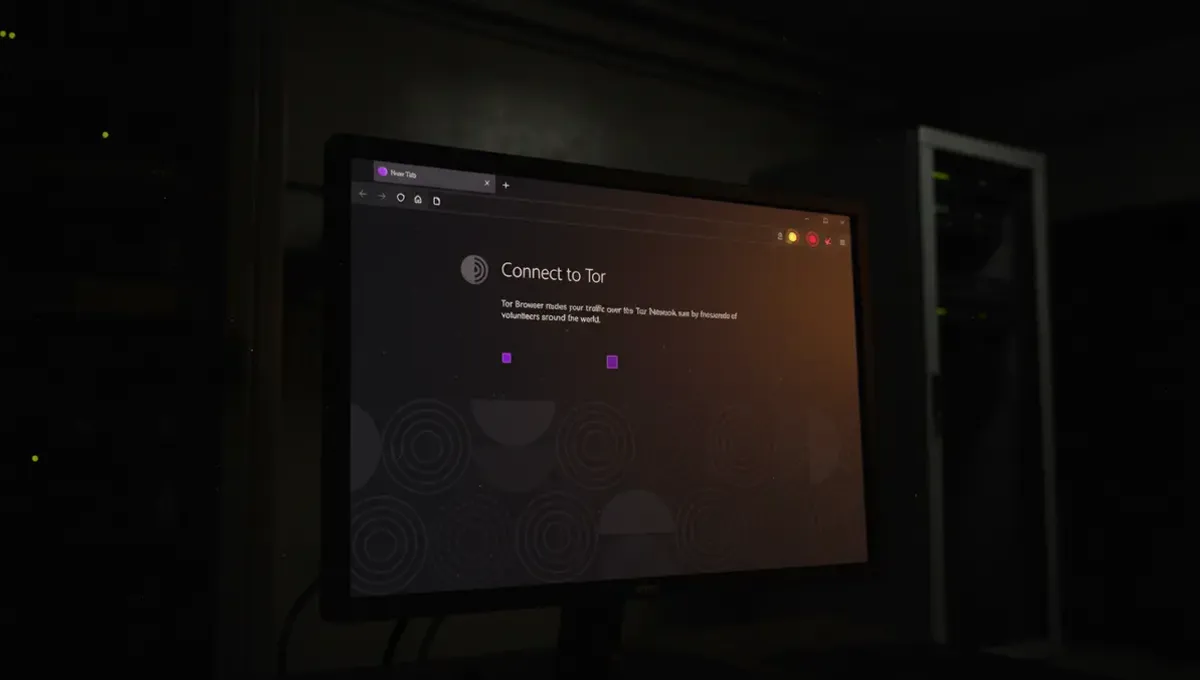
Vendors use several operational security practices to reduce the risk of identification. They typically use dedicated Tor browser instances, separate usernames across different markets, and rotate their IP addresses using VPNs or proxy chains. Many vendors use dead drops or mail forwarding services to create distance between their physical location and the shipping origin of packages.
Despite these precautions, law enforcement has successfully identified and arrested vendors through package interdiction, financial tracking, and operational mistakes. Court records from prosecutions show that vendors often underestimate how much metadata is generated by shipping, payment processing, and communication patterns. A vendor who always ships from the same postal code, uses the same packaging materials, or maintains consistent communication hours creates patterns that investigators can exploit. The combination of multiple data points, rather than any single piece of evidence, typically leads to identification.
Reality Layer: How These Markets Actually Fail
According to Tor Project documentation and public law-enforcement press releases, darknet markets face three recurring failure modes. First, market operators themselves often exit as scams, stealing all customer and vendor funds and disappearing. This happened repeatedly with major markets, and it matters because vendors lose their reputation and customers lose their money simultaneously. Second, markets are seized by law enforcement through server compromises, and vendor data is exposed or used for prosecution. Third, vendors face constant risk of being robbed by other criminals, either through account compromise or by being targeted for physical robbery after large transactions.
Academic research on onion services shows that vendor accounts are frequently compromised through phishing, malware, or weak passwords. A compromised vendor account can be used to conduct exit scams under the vendor's name, damaging their reputation and potentially implicating them in fraud they did not commit. These realities mean that even vendors with years of history can lose everything overnight, which is why the concept of a stable, trustworthy vendors list on the darknet is largely a myth.
Phishing Clones and Fake Vendor Directories
Scammers create fake market mirrors and vendor directories to harvest login credentials and cryptocurrency. A phishing clone might look identical to a legitimate market but use a slightly different .onion address. Users who accidentally visit the clone and log in hand over their username and password, which the scammer then uses to access the real market and steal funds.
Vendor directories posted on forums or Reddit claiming to list "verified vendors" are often phishing traps or outdated information. A directory listing a vendor as active might be months old, and the .onion address might have changed or been replaced by a clone. If you encounter a vendors list outside the market itself, verify any address through PGP-signed announcements from the market operator or through the official resources page of this site. Never assume a list is current or authentic based on appearance alone.
Why Vendor Lists Matter for Security Awareness
Understanding how dark web vendors organize themselves helps you recognize the risks of darknet markets and avoid common mistakes. If you encounter a dark web browsers list, dark web domain list, or dark web email list claiming to provide vendor contacts or market addresses, treat it with extreme skepticism. These lists are frequently outdated, compromised, or designed to phish users.
The existence of vendor reputation systems on darknet markets creates a false sense of legitimacy and safety. In reality, no vendor on an encrypted marketplace can be fully verified, and no transaction is truly protected. Law enforcement agencies worldwide actively monitor these markets, and participating in them carries legal risk depending on your jurisdiction and the products involved. The key takeaway is that a vendors list is not a directory of trustworthy sellers; it is a catalog of pseudonymous actors operating in an environment with minimal accountability and maximum risk.
What You Can Do Today
If you are researching darknet markets for security awareness or academic purposes, focus on publicly available law-enforcement reports, court documents, and security vendor incident analyses rather than trying to access markets directly. These sources provide factual information about how vendors operate, how markets fail, and what happens when law enforcement intervenes. Reading a prosecution case or a market seizure announcement teaches you more about vendor operations than browsing an active market ever could, and it does so without exposing you to phishing, malware, or legal risk. Start by reviewing the official Tor Project documentation on onion services and then move to published security research on darknet market infrastructure.
Frequently asked questions
Is there a safe way to find a dark web vendors list
No single safe list exists. Any vendors list you find outside an active market is either outdated, phishing bait, or scam. If you need information about how vendors operate, consult law-enforcement reports and security research instead of trying to access markets directly.
How do dark web vendors avoid getting caught
Vendors use operational security practices like Tor, VPNs, dead drops, and mail forwarding. However, law enforcement has successfully identified and prosecuted many vendors through package interdiction, financial tracking, and pattern analysis. No operational security method is foolproof.
Can you trust a vendor with high ratings on a darknet market
High ratings indicate past transaction completion but not trustworthiness. Ratings can be manipulated, vendors can be compromised, and markets can exit as scams. Even a vendor with years of history can disappear or turn malicious overnight.
What happens to a vendors list when a market is seized
The entire vendor catalog disappears. Vendors lose their reputation history and must rebuild on a different market from scratch. Law enforcement may also use seized vendor data for prosecution or further investigation.
Are there legitimate uses for understanding dark web vendors
Yes. Security professionals, researchers, and law-enforcement personnel study how vendors operate to understand market infrastructure, identify risks, and prevent crime. Academic research and public reports provide this information without requiring direct market access.