What Is a Dark Web List Website
A dark web list website is a directory that aggregates links to onion services, organized by category such as forums, search engines, news outlets, and communication tools. Unlike a search engine, which crawls and indexes pages, a list website relies on manual curation and community submissions to maintain its directory. The most well-known example is the Hidden Wiki, which has existed in various forms since the early days of Tor and serves as a reference point for newcomers. These directories typically display .onion addresses alongside brief descriptions, uptime status, and sometimes user ratings or verification notes. The goal is to save users time and reduce the risk of landing on a phishing clone or a dead link.
Why Dark Web List Websites Matter for Safety
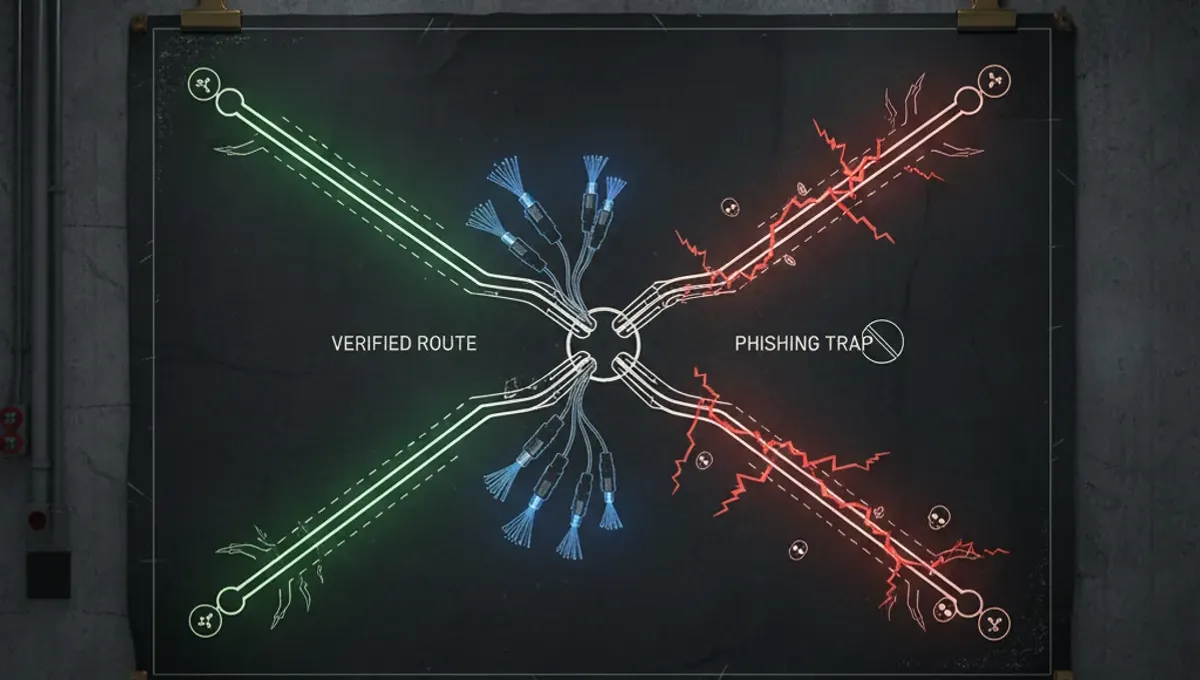
Phishing clones are one of the most common threats on the dark web. A scammer will register a lookalike .onion address, copy the design of a legitimate forum or marketplace, and wait for users to enter credentials or send funds. A verified dark web list website reduces this risk by maintaining a single authoritative source of correct addresses. Many list websites now include PGP-signed announcements or checksums to prove that the links have not been tampered with. Additionally, a well-maintained directory filters out honeypots, law-enforcement mirrors, and malware-hosting sites that impersonate legitimate services. For someone new to Tor, a curated list is far safer than clicking random links from Reddit or following outdated bookmarks.
How to Verify a Dark Web List Website Is Legitimate
Before trusting any dark web list website, verify its authenticity through multiple channels. Check whether the site publishes a PGP public key and signs its announcements; you can verify the signature using the Tor Project's tools or a dedicated PGP client. Look for a long history of the address across multiple independent sources, such as archived forum posts or mentions in security research papers. Many legitimate directories display a notice if they have been seized or compromised by law enforcement, so read the homepage carefully. Never assume a list website is safe just because it appears in search results; use only addresses that you have confirmed through the site's official social media accounts or verified contact channels. If you are unsure, cross-reference the address against the Useful Resources page of this site.
Common Types of Onion Directories and Their Uses
Dark web list websites vary in scope and purpose. A general-purpose directory like the Hidden Wiki covers forums, news sites, and communication tools across many categories. Specialized directories focus on specific interests, such as a dark web animals website that aggregates links to wildlife forums or a dark web domain list that tracks newly registered .onion addresses. Search engine directories list active Tor search engines such as Ahmia or Torch, which index onion content. Some directories maintain a dark web combo list, which bundles multiple resources such as email providers, chat rooms, and marketplace mirrors into a single page. Understanding which type of directory you need will help you find relevant links faster and avoid wasting time on irrelevant categories.
Reality Check: How Directories Get Compromised and What Changes
According to Tor Project documentation and public law-enforcement press releases, dark web list websites are frequent targets for seizure and impersonation. When a directory is taken offline, clones often appear within hours, hosted on the same infrastructure or on lookalike domains designed to capture traffic from users who do not verify the address. This matters because a user who bookmarks a directory address and returns to it months later may unknowingly be visiting a law-enforcement honeypot or a scammer's replica. Additionally, security-vendor incident reports show that some directories have been compromised by malicious actors who injected malware links into the listings. The status of any dark web list website changes frequently; what is online today may be seized, exit-scammed, or replaced by a clone tomorrow. Always verify the current status of a directory before relying on its links, and maintain multiple independent sources of trusted addresses rather than depending on a single list.
Building Your Own Trusted Reference of Dark Web Resources
Rather than relying solely on a single dark web list website, create a personal reference system that combines multiple sources. Start by identifying 2-3 directories that you have verified through independent channels and bookmark their .onion addresses in a secure, offline location such as an encrypted text file. For each directory, note the PGP fingerprint of the maintainer and the date you verified the address. When you visit a directory, cross-check any link you plan to use against at least one other source before clicking. Keep a separate list of deep web sites that you have personally tested and confirmed to be active and safe. This approach reduces your reliance on any single source and makes you less vulnerable to a single compromise. Over time, you will develop an intuition for which directories are reliable and which ones show signs of abandonment or compromise.
Safe Practices When Using a Dark Web List Website
Follow these steps to minimize risk when using a dark web list website. First, always access the directory through Tor Browser, not through a VPN or clearnet proxy. Second, verify the .onion address in your browser's address bar before entering any credentials or sensitive information. Third, check the directory's homepage for any security notices or announcements about compromises. Fourth, if a link appears to be dead or redirects to an error page, do not assume the service is offline; try again later or check another source. Fifth, never download files directly from links in a directory without first scanning them with antivirus software or running them in a sandboxed environment. Sixth, if you encounter a dark web browsers list or a dark web email list within a directory, treat each link as unverified until you have confirmed it independently. These practices take only a few extra seconds but significantly reduce your exposure to phishing and malware.
Moving Forward: Building Confidence in Your Tor Navigation
The core takeaway is that a dark web list website is a tool, not a guarantee of safety. The most reliable directories are those maintained by experienced community members who have a reputation to protect and who publish their verification methods openly. Your job is to verify independently, maintain multiple sources, and stay alert to signs of compromise such as unusual redirects, missing links, or changes in the directory's appearance. Start by identifying one or two directories that you trust, use them to explore onion services in categories that interest you, and gradually build a personal knowledge base of active, safe resources. The next step you can take today is to visit the Useful Resources page of this site, select one verified directory, and bookmark its .onion address in a secure location along with the date and the PGP fingerprint of the maintainer.
Frequently asked questions
What is the difference between a dark web list website and a dark web search engine
A list website is a manually curated directory of .onion addresses organized by category, while a search engine crawls and indexes onion content automatically. List websites are generally more reliable for finding well-known services because they are updated by humans who verify links. Search engines are useful for discovering new or niche content but may return dead links or phishing clones.
Is it safe to use a dark web list website
Using a verified, well-maintained list website is safer than clicking random links, but no directory is risk-free. Always verify the address of the directory itself, check for PGP signatures, and cross-reference any link you plan to use against another source. Follow safe browsing practices such as using Tor Browser, disabling JavaScript, and avoiding downloads unless necessary.
How do I know if a dark web list website has been compromised
Signs of compromise include unexpected changes in the site's appearance, missing or broken links that were previously active, redirects to unfamiliar pages, and security notices from the maintainer. If you suspect a compromise, stop using that directory and verify its status through an independent source such as a forum post or a social media announcement from the maintainer.
Can I trust a dark web list website that is hosted on the clearnet
A clearnet version of a dark web list website may be useful for reference, but always verify links through the official .onion address to avoid man-in-the-middle attacks. Clearnet mirrors are sometimes maintained by third parties and may be outdated or compromised. When in doubt, access the directory only through Tor Browser.
What should I do if a link from a dark web list website does not work
A dead link does not necessarily mean the service is offline; it may be temporarily down or the address may have changed. Try the link again later, check another directory for an updated address, or search for an official announcement from the service's maintainer. If multiple directories show the same link as dead, the service is likely no longer active.